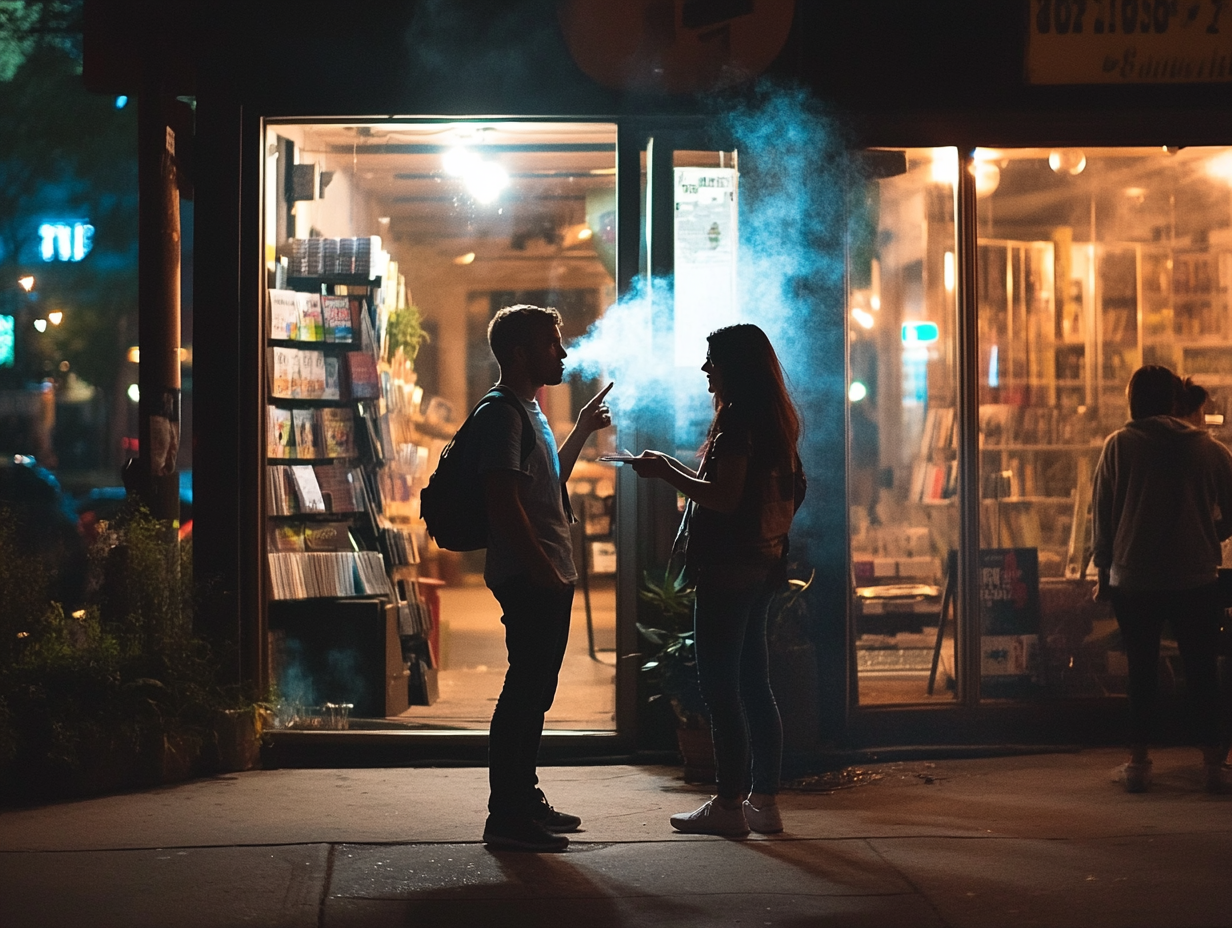
One of them glanced at him and said, “You see what I mean? They’re everywhere.” The other replied, “Thank God for the citywide cleanup though. Hopefully we’ll start seeing fewer of them out here.” Their voices weren’t low. They didn’t care that he heard.
Joshua kept walking without reaction, but the words lingered. He hadn’t heard anything about a cleanup before. That explained the police vans near the bus depot. It explained why benches were suddenly taped off. They were being pushed out, bit by bit, one corner at a time.
That night, as he lay on the cold ground with Lucky curled beside him, the restlessness wasn’t hunger. It was the growing sense that even the few spots left were disappearing. If this alley wasn’t safe, nowhere would be.
He couldn’t keep moving forever. Not without losing himself entirely. Deep inside, an old thought resurfaced—he had to try again. He couldn’t remember the last time he had felt willing to try. But now, the pressure left no room to stall.
He thought about the laundromat he used to sleep behind. That place had always smelled like soap and warm steam. Now, there was a new sign in the window: “Help Wanted – Temporary Position.” It wasn’t much, but even a day’s work meant food—or maybe more.
Joshua knew how these things worked. He couldn’t walk in like this—not if he wanted to be taken seriously. He needed to look presentable. And more importantly, he needed a phone number and an address. He had neither. Still, something told him he had to try.
The next morning, he walked to the shelter he hadn’t entered in over a year. The woman at the desk didn’t recognize him, but she listened. When he explained he wanted to apply for work and needed help, she nodded. There was space, she said.
They could offer him a bed for a few days. A place to shower. The shelter’s landline could be used for callbacks, and he could list the address on the form. They even had a few donated shirts and jackets in the back if he wanted to look presentable.